 BioTrade Africa
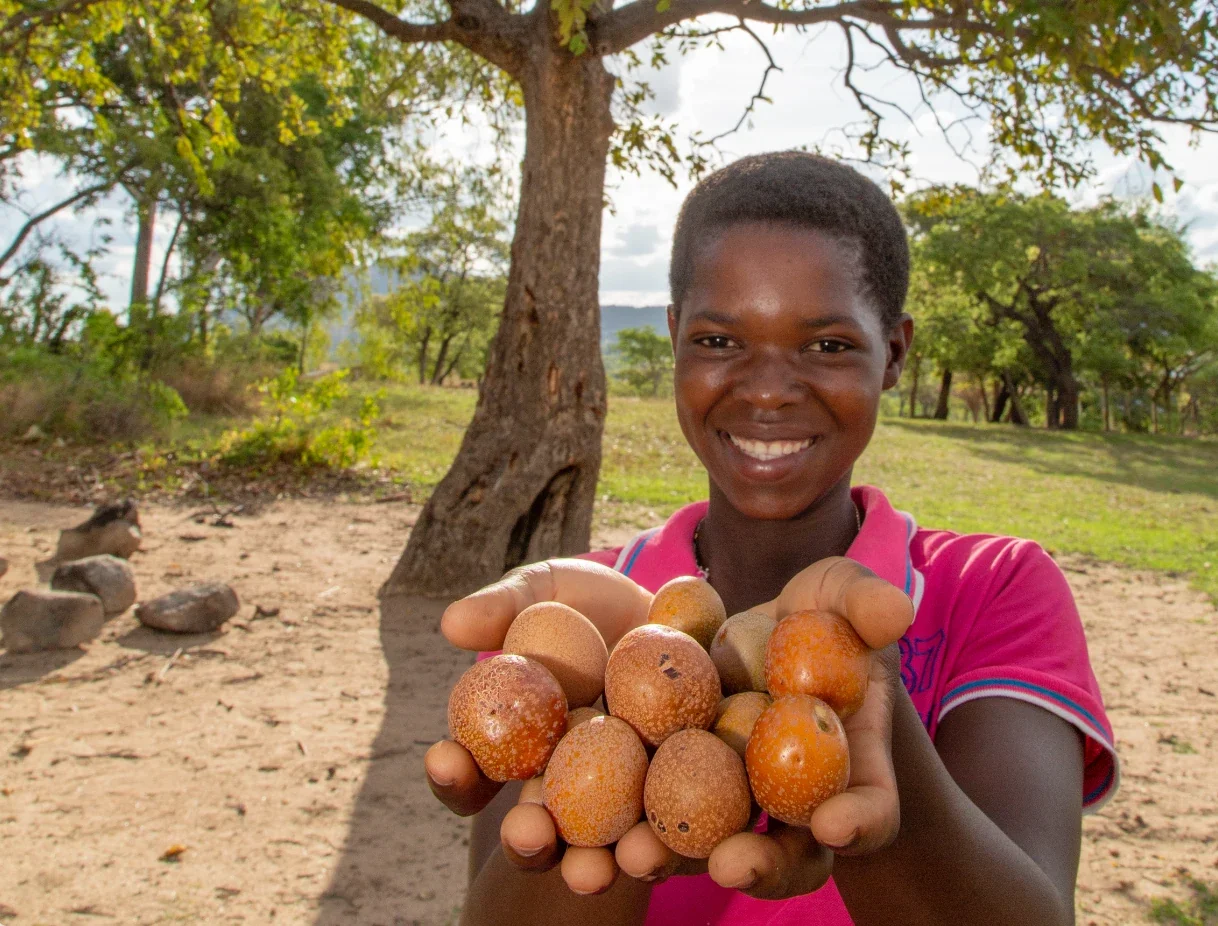
From a wild-harvested plant to an on-shelf product.
A successful BioTrade value chain is commercially viable, delivers fair and lasting benefits to producers and communities, and creates an incentive to conserve and sustainably manage biodiversity.
Connecting the dots to make a viable business
Africa's biodiversity supports a wide range of novel value chains. Successful BioTrade value chains are commercially viable, generate equitable and sustainable economic benefits for local communities, and create lasting incentives for the conservation and sustainable use of indigenous biodiversity.
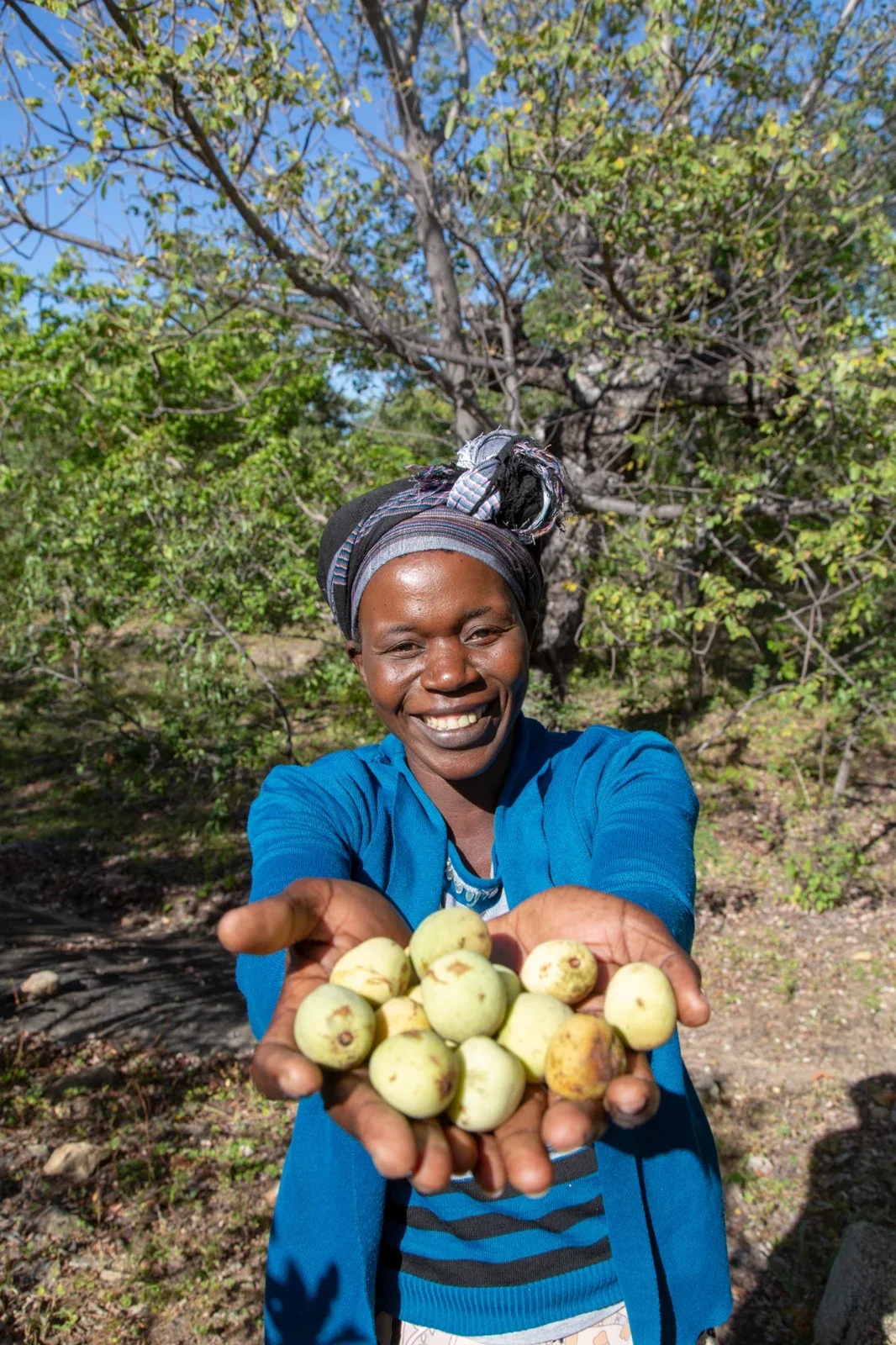
Focal BioTrade Value Chains
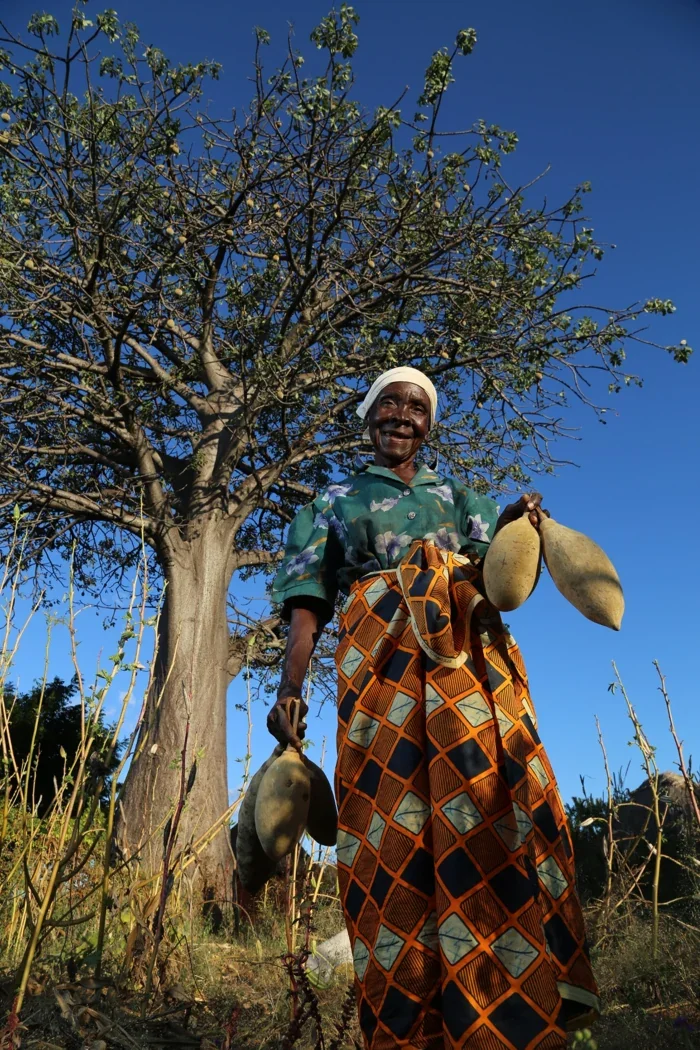
Baobab
Adansonia digitata
Foods, beverages and nutritional products.
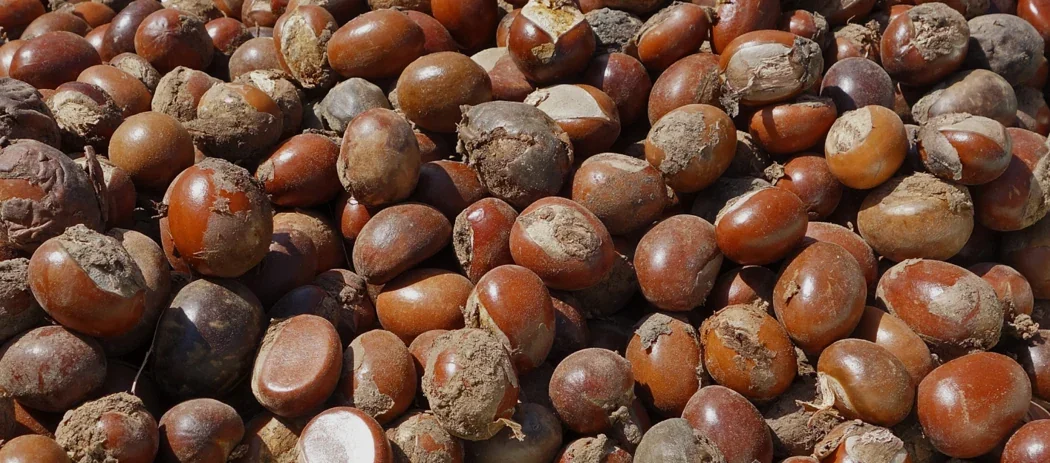
Shea
Vitellaria paradoxa
Food and cosmetics markets.
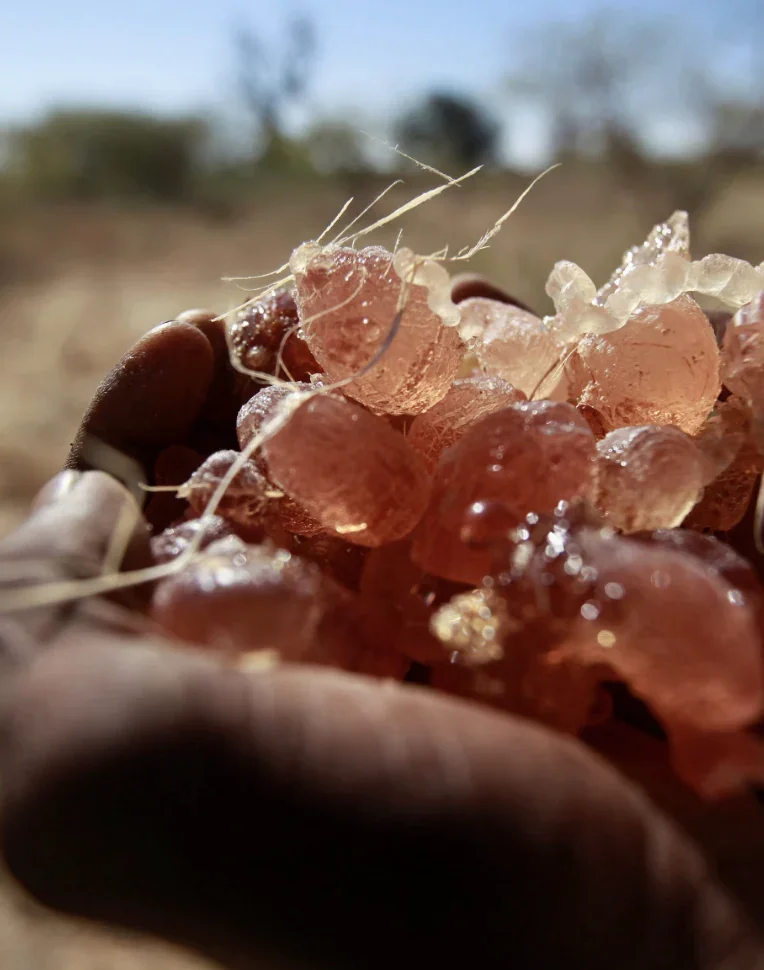
Gum Arabic
Senegalia senegal and Vachellia seyal
Food, beverages and other industrial uses.
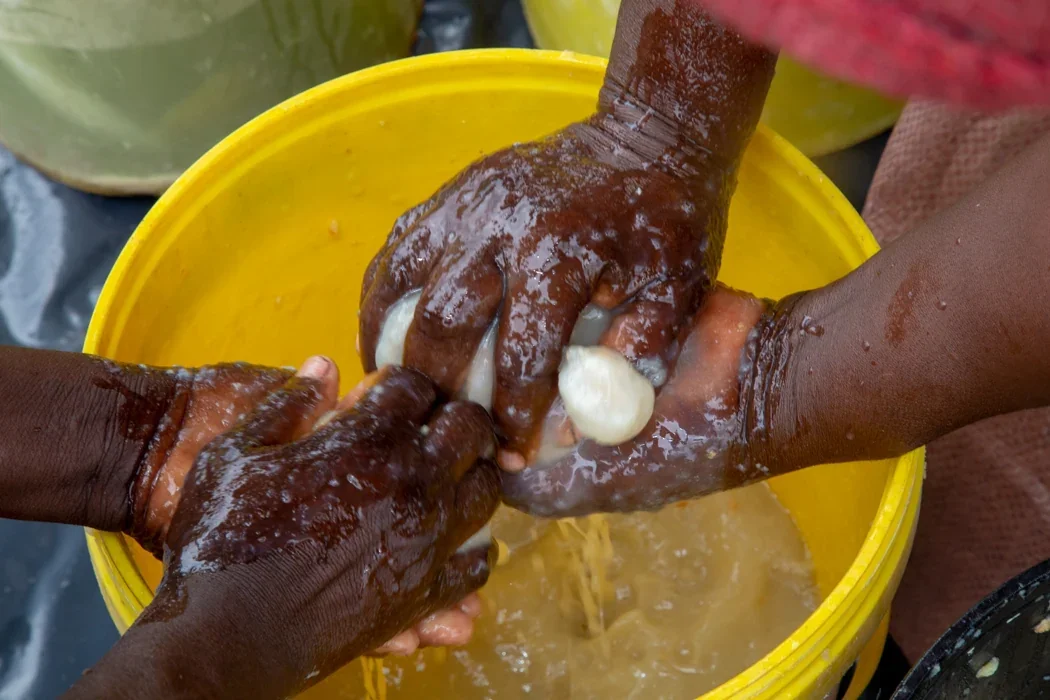
Marula
Sclerocarya birrea
Food, beverages and cosmetic oils.
Emerging BioTrade Opportunities
Assessment starts with a specific product, a plausible buyer and a realistic view of costs, sustainable supply and producer returns.
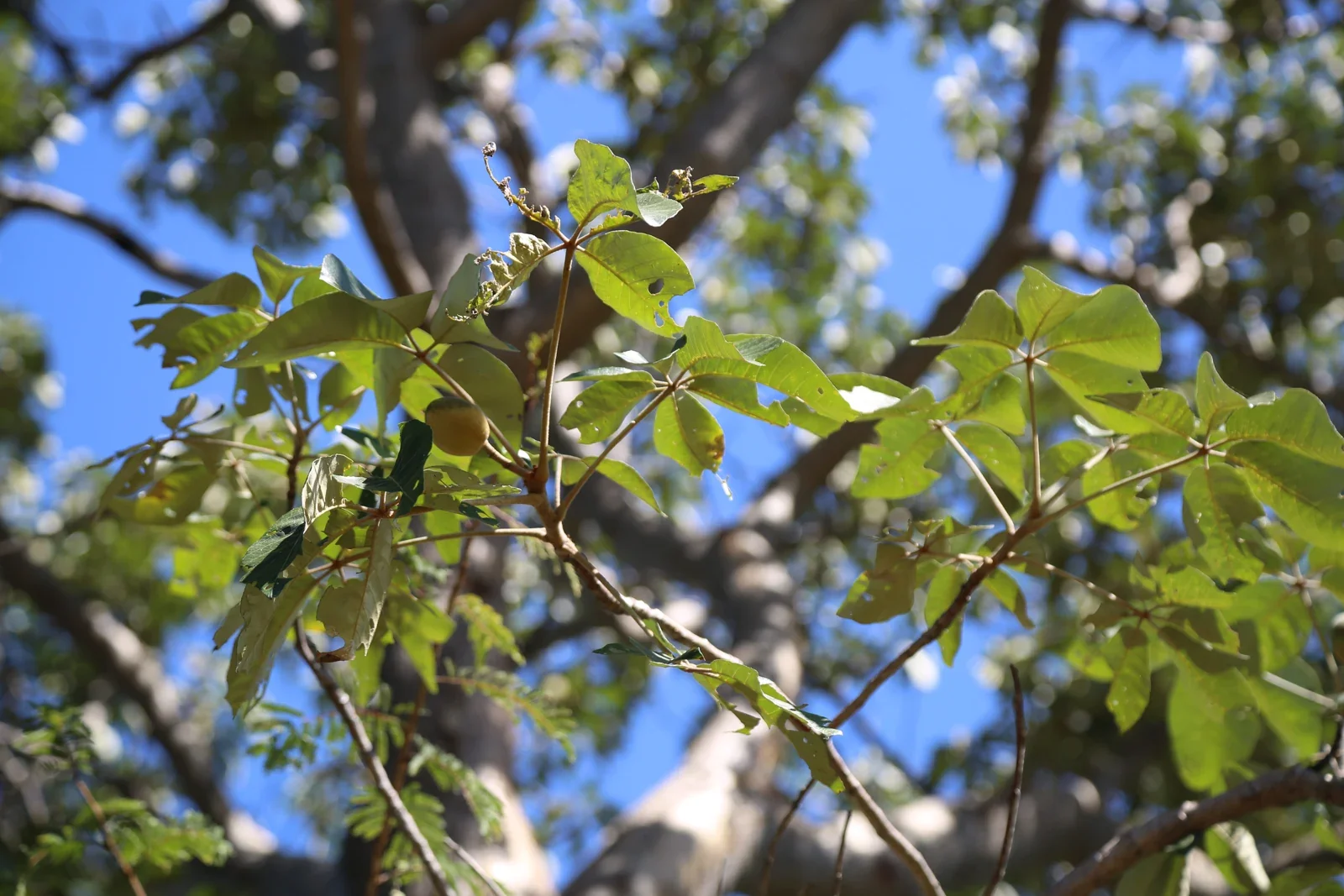
Mongongo
Schinziophyton rautanenii
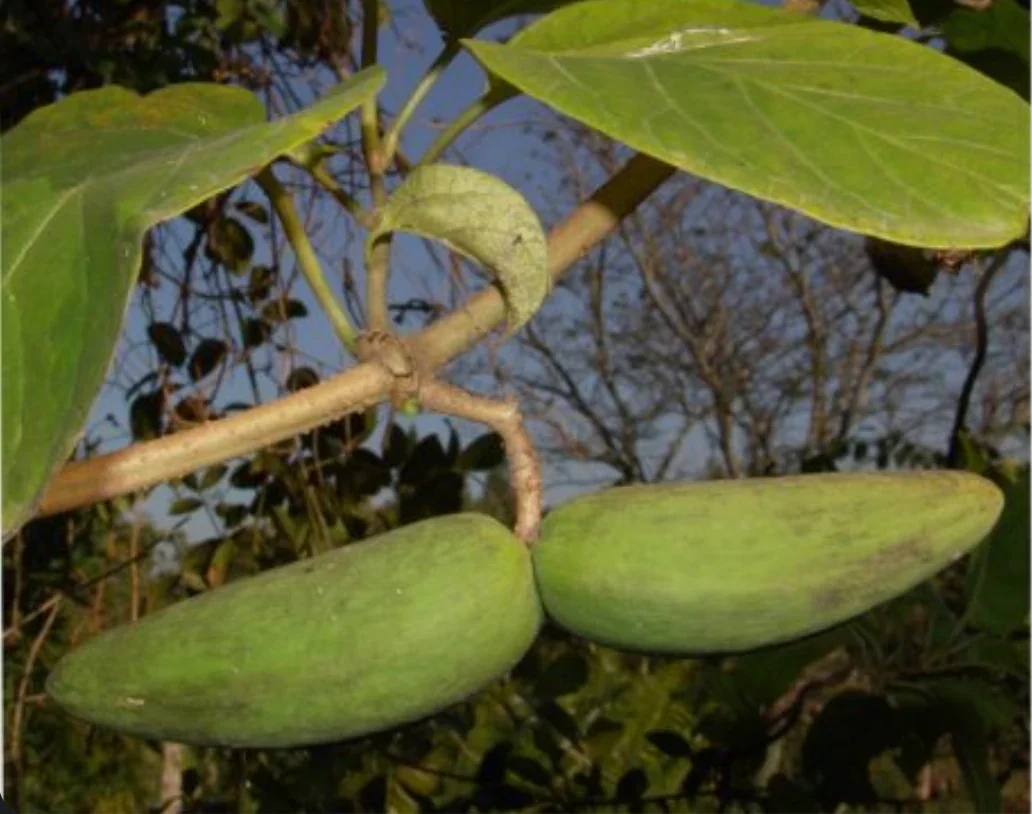
Mondia
Mondia whitei
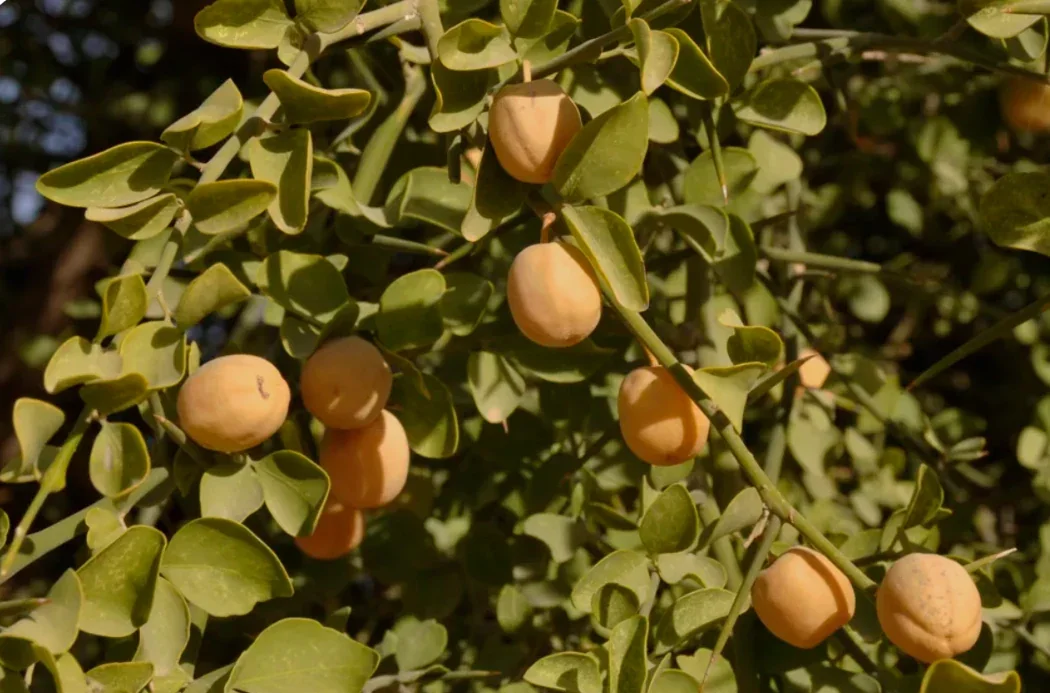
Desert Date
Balanites aegyptiaca
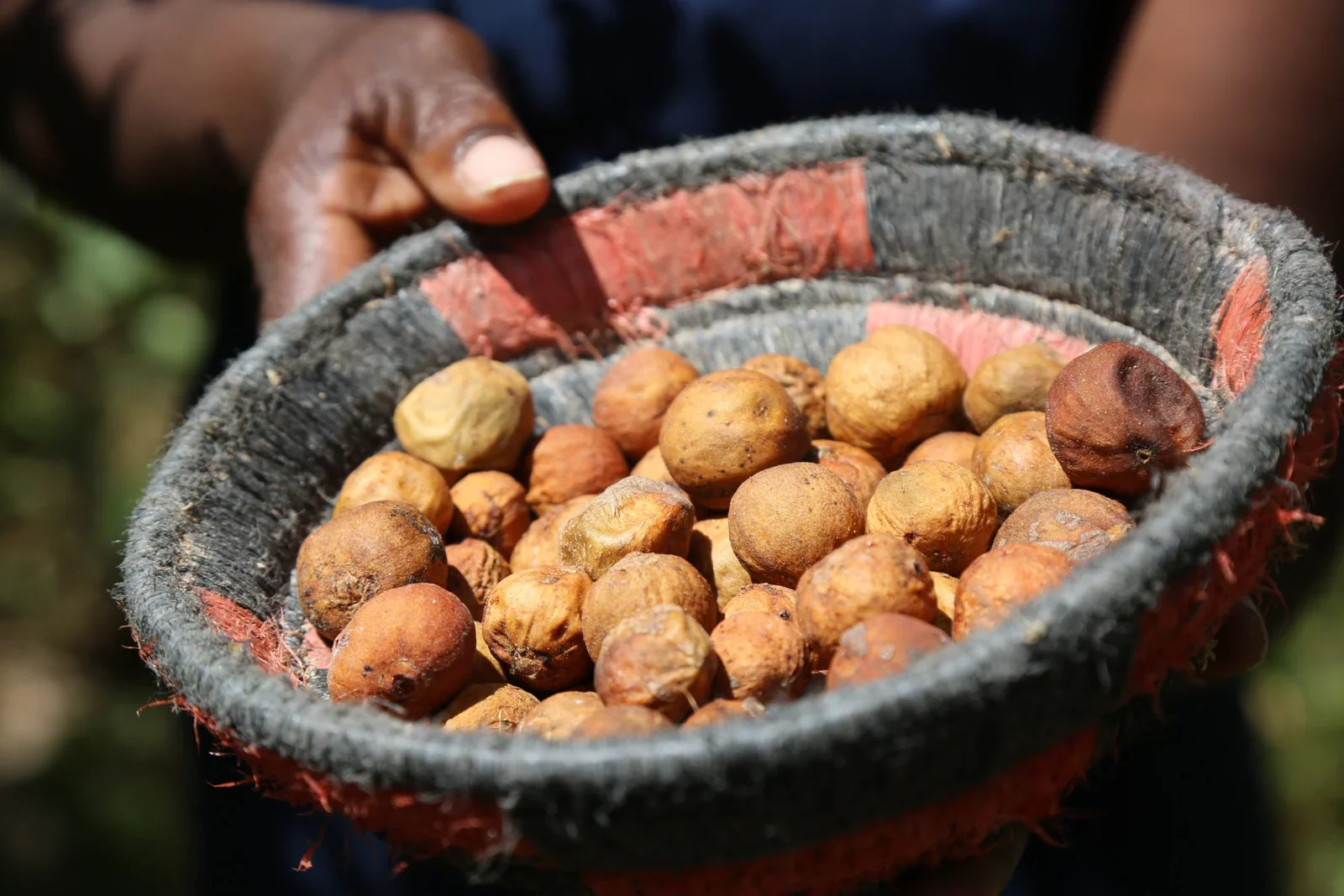
Ximenia
Ximenia afra
Our Value Chain Development Approach
1. Opportunity Identification
Screen promising species, products and markets against demand and feasibility.
2. Resource & Sustainability Assessment
Establish availability, harvesting limits and ecological risk before volumes are promised.
3. Product & Market Development
Processing, standards, compliance and the buyers who will actually pay.
4. Enterprise & Investment Development
Business models, financial structure and investment readiness.
5. Value Chain Scaling
Partnerships, market access and expansion without breaking the resource base.
African BioTrade Species Library
Profiles will bring together information on species, markets, processing and sustainable sourcing.