 BioTrade Africa
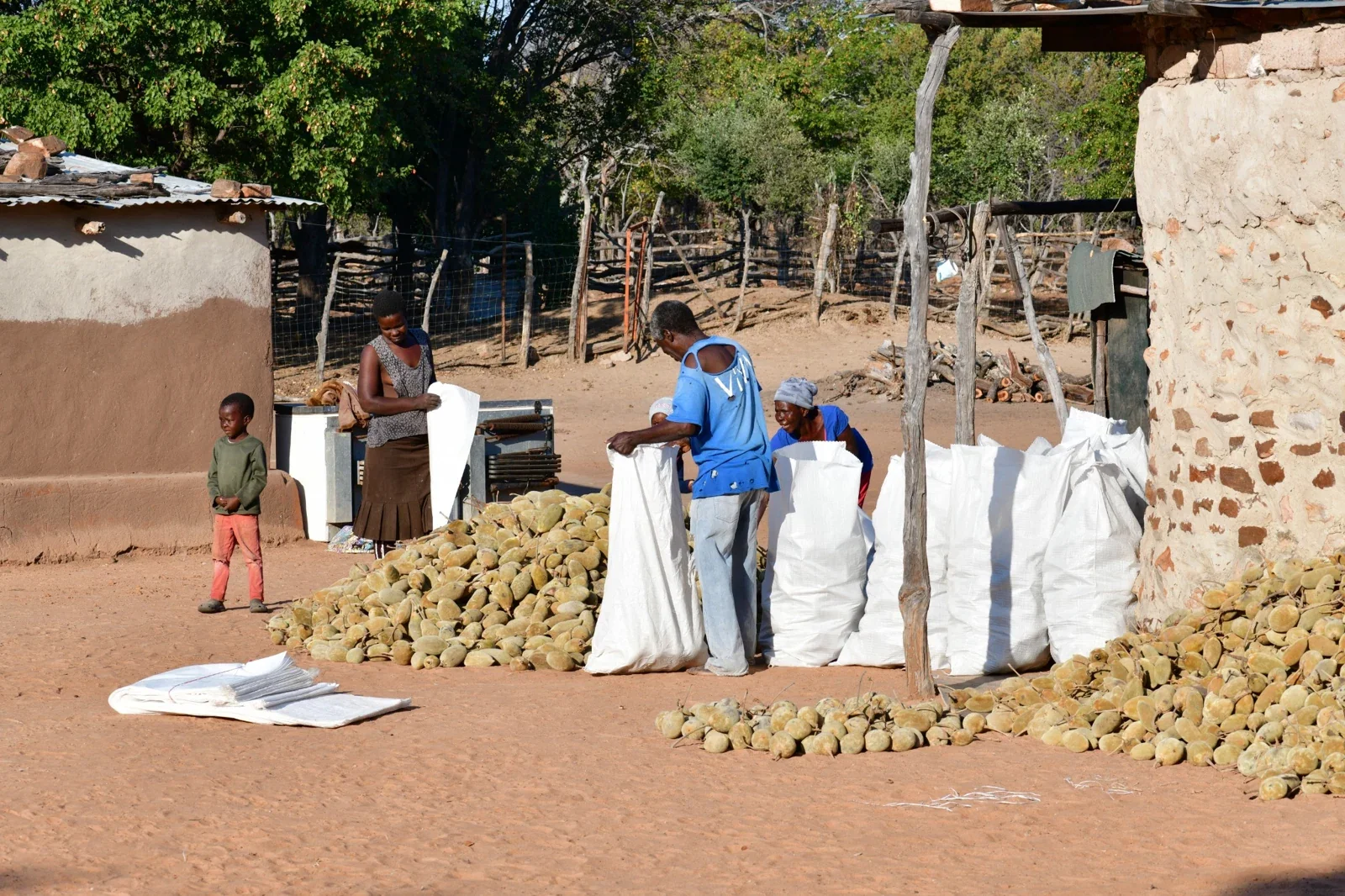
Not all trade in nature is BioTrade.
BioTrade combines commercial opportunity with biodiversity conservation, sustainable resource management and fair benefits for the people involved.
What Makes BioTrade Different from Ordinary Trade?
Commercial activity involving biological resources does not automatically qualify as BioTrade. The distinction is how resources are managed, harvested, processed and traded — and how benefits are distributed to those involved. We use the seven UNCTAD BioTrade Principles and Criteria below to differentiate.
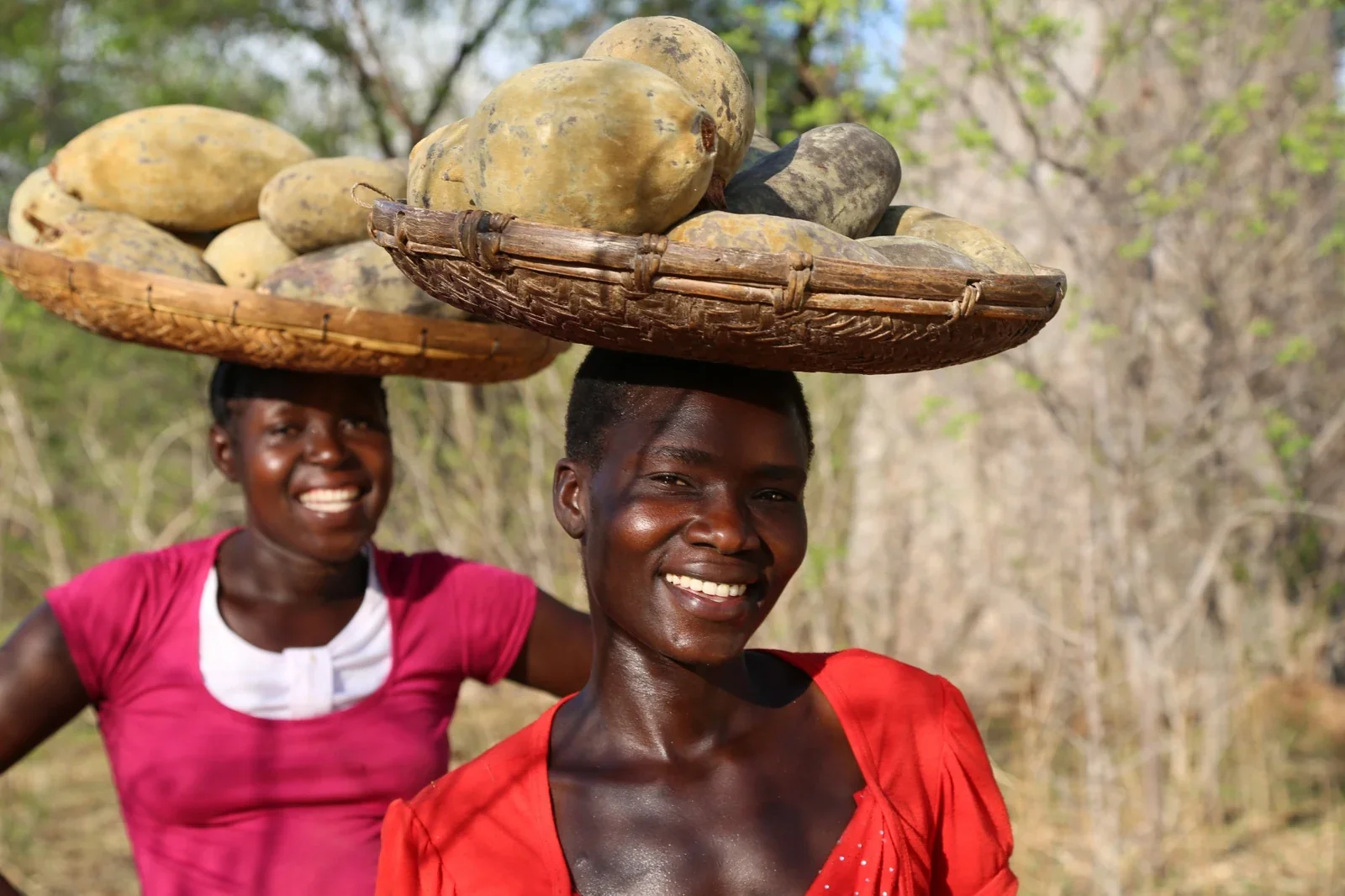
The Seven BioTrade Principles
1. Conserve biodiversity
Protect the species, habitats and ecosystems on which the business depends.
2. Use biodiversity sustainably
Set harvesting levels and methods that keep the resource available over time.
3. Share benefits fairly
Make purchasing terms transparent and agree benefit-sharing arrangements where applicable.
4. Build commercially viable enterprises that support livelihoods
Develop products at prices that cover the real costs of responsible sourcing and processing.
5. Comply with applicable laws
Identify requirements on labour, trade and access and benefit-sharing where applicable.
6. Respect the rights of people involved
Uphold workers’ rights and respect the rights of Indigenous Peoples and local communities.
7. Establish who can access and use the resource
Clarify who holds rights and obtain prior informed consent and agree terms where required.
What This Looks Like on the Ground
Sustainable Harvesting
Resource stewardship and long-term supply.
Fair Purchasing
Transparent relationships across the value chain.
Local Value Addition
Processing, product innovation and new market opportunities.
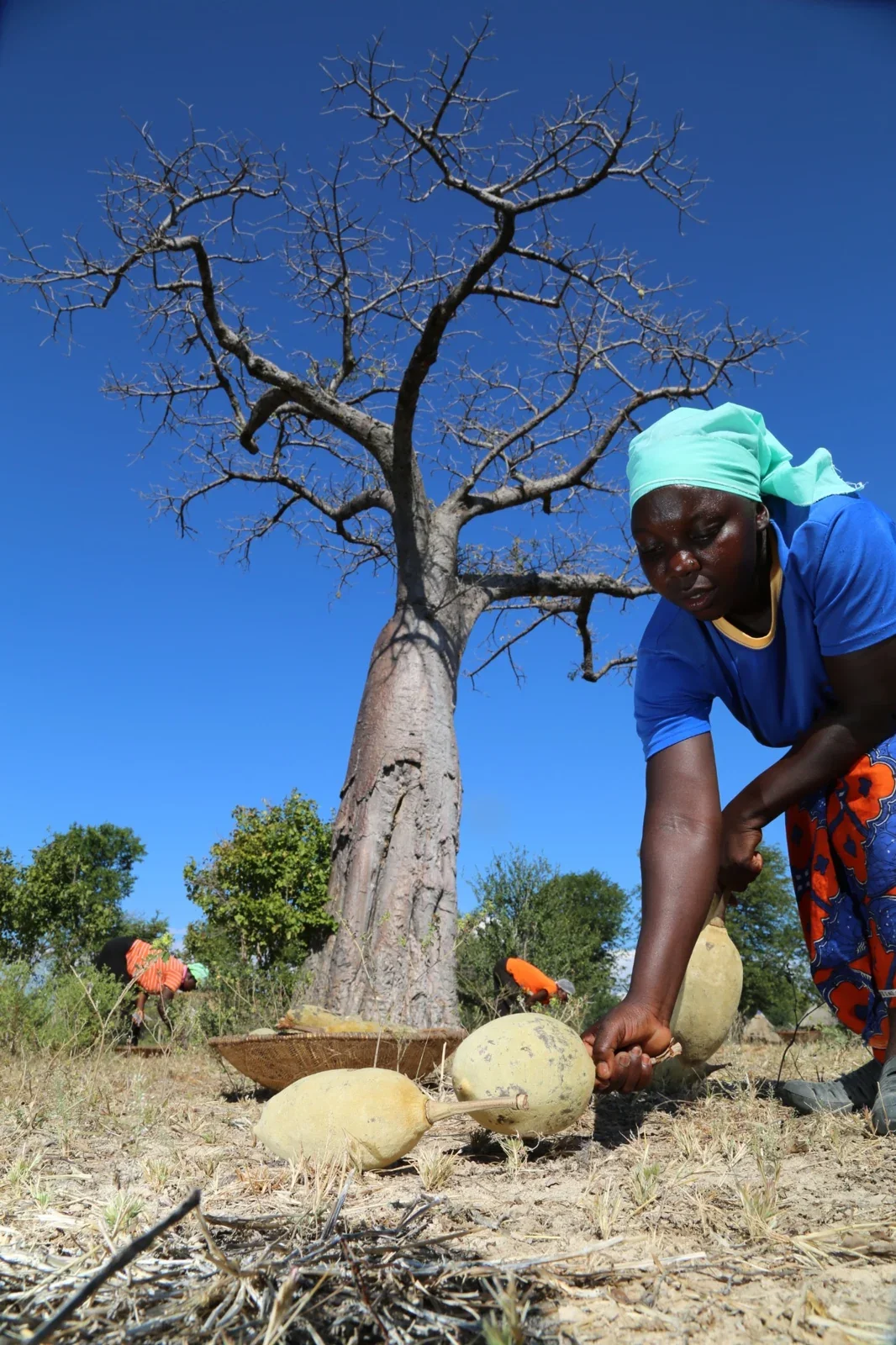
Supporting Responsible BioTrade Development
BioTrade Africa aims to help enterprises and producer organisations put these principles into practice through guidance, research and knowledge exchange.