 BioTrade Africa
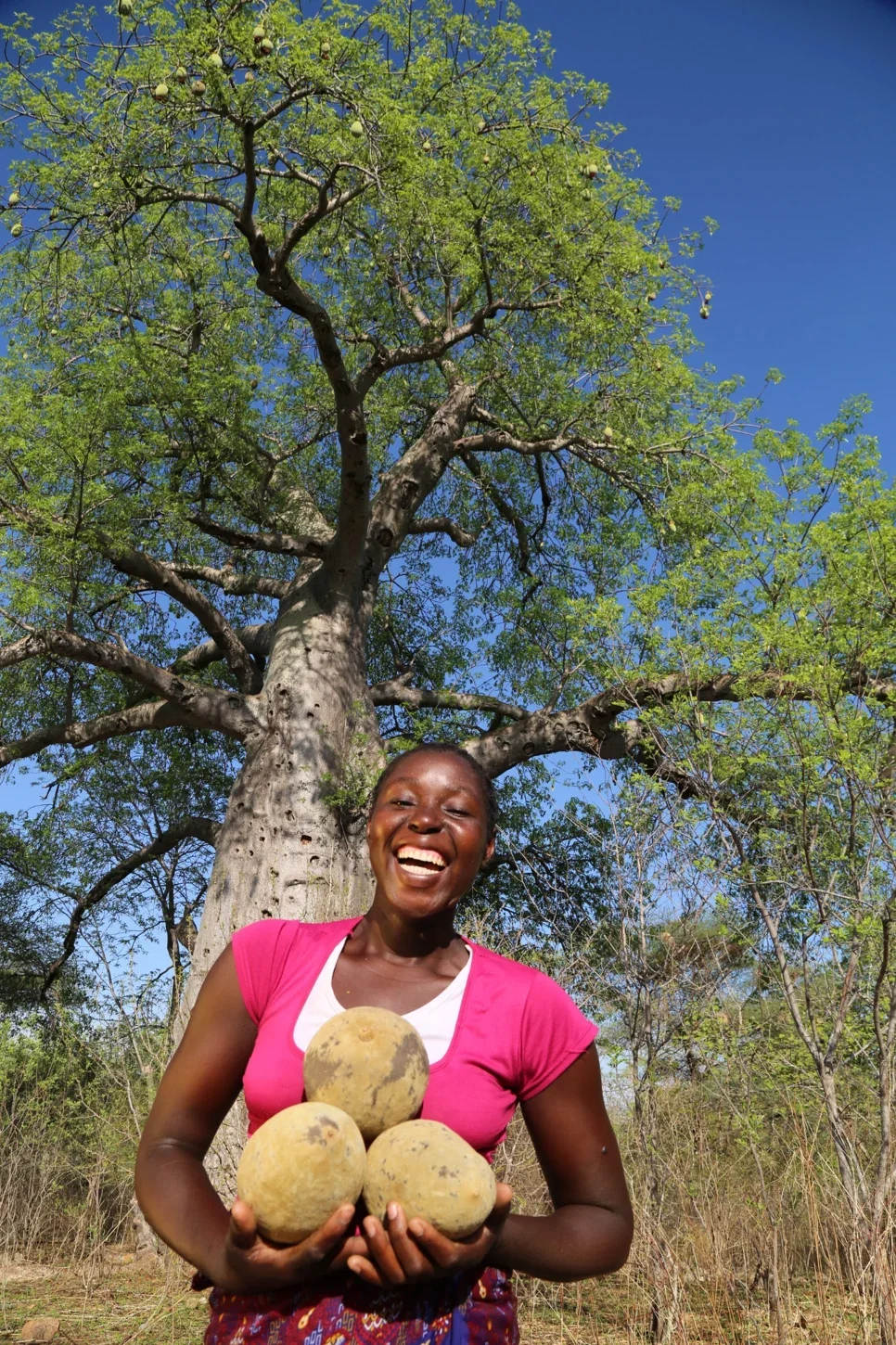
Real businesses. Real products. Real opportunities.
Learning from African enterprises that have successfully transformed indigenous biodiversity into sustainable commercial value
Learning from African BioTrade Enterprises
Successful enterprises must address market development, sustainable supply, processing, quality, investment and equitable producer relationships. Our case studies will document evidence across three dimensions:
Commercial Performance
Products, markets, customers, finance and business viability.
Social & Economic Impact
Livelihoods, employment, local value addition and benefit sharing.
Environmental Sustainability
Harvesting, biodiversity stewardship and conservation incentives.
What Makes a Successful BioTrade Business?
Viable Markets
Clear customers and competitive products.
Sustainable Supply
Reliable raw material and responsible sourcing.
Commercial Capabilities
Appropriate technology, standards and management.
Fair Partnerships
Transparent producer relationships and adaptability.
Featured Case Study Themes
These are proposed editorial topics, not completed or verified case studies about named companies.
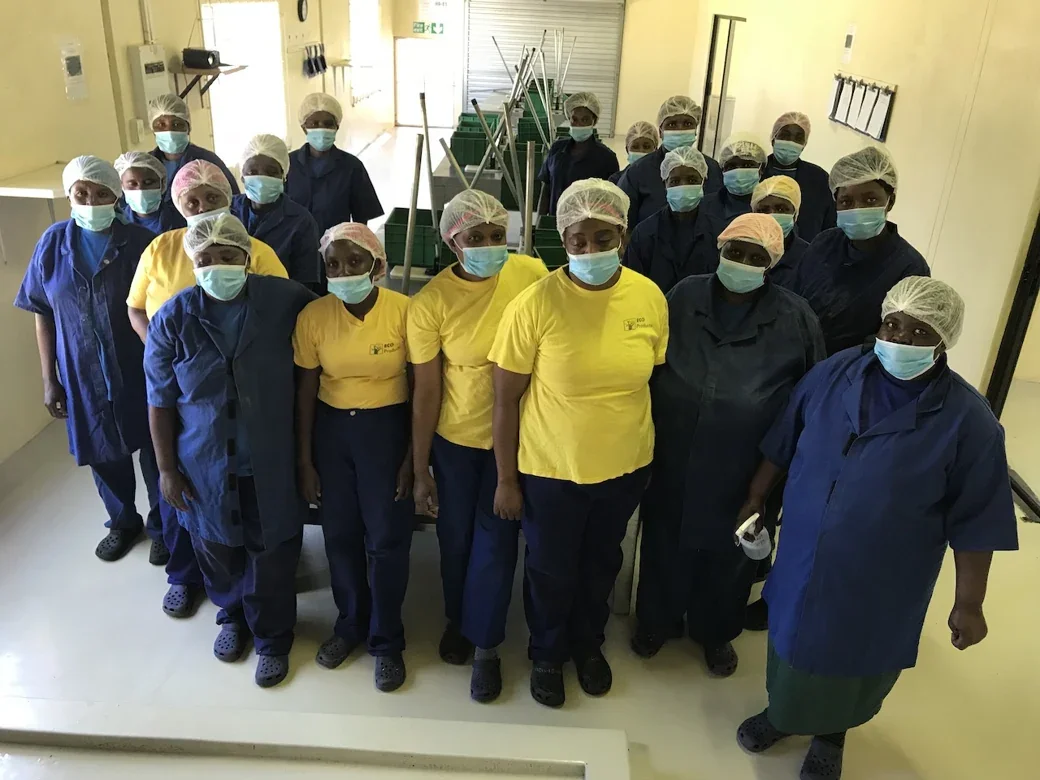
Baobab: From Indigenous Fruit to International Ingredient
Regulatory approval, supply chains, quality and market development.
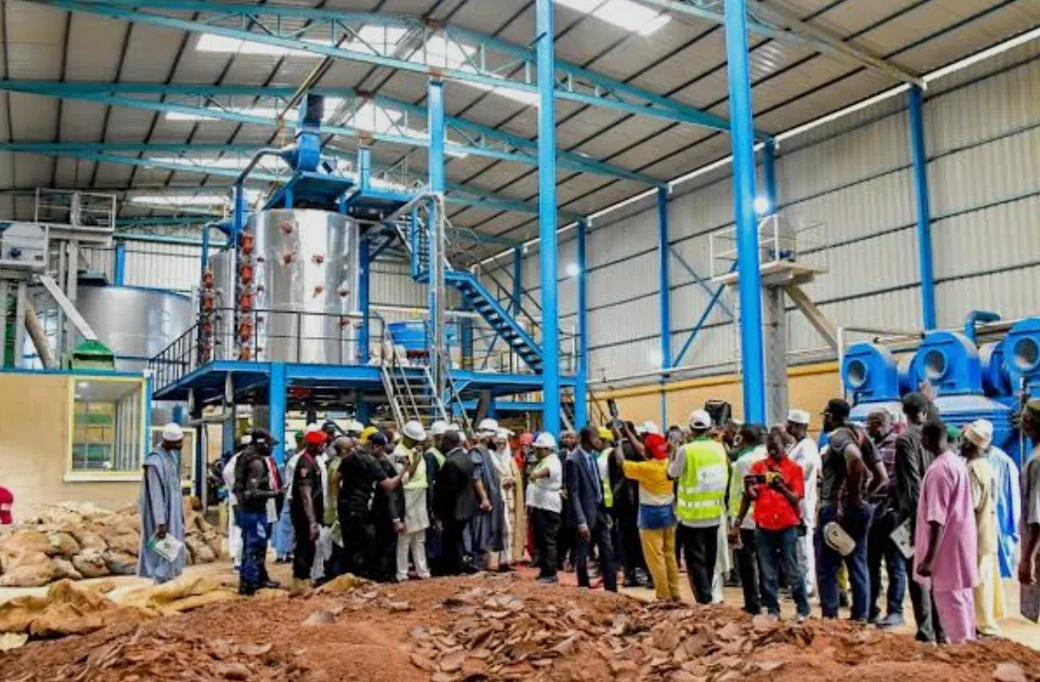
Shea: Building Global Markets
Traditional resources, producer organisations and value distribution.

Indigenous Oils: Innovation and Value Addition
Natural product innovation, processing and international buyers.
Share Your BioTrade Story
Tell us what you produce, where you operate, what changed and what evidence you can share.